

Table of Contents
I was making my famous Sunday morning pancakes for my family when our garbage disposal suddenly erupted with the most horrifying grinding sound I’d ever heard. It sounded like someone was torturing metal robots in my kitchen sink. My eight-year-old daughter ran from the room covering her ears, and my husband immediately started googling “emergency plumber near me” while I stood there paralyzed by the awful noise.
The disposal had been working perfectly fine the night before when I cleaned up after dinner. Now it was making sounds that belonged in a horror movie, not my cheerful yellow kitchen. I quickly switched it off, but the damage to my peaceful Sunday morning was done. Standing there with pancake batter on my hands and a broken disposal, I realized I had no idea how to fix garbage disposal noises or even what might be causing them.
That terrifying morning led me down a rabbit hole of learning about garbage disposal troubleshooting, and I discovered that most disposal noises are actually easy to fix yourself. What sounds like a catastrophic breakdown requiring expensive professional repair is often just a simple jam, reset issue, or minor maintenance problem that takes minutes to resolve.
Why Learning How to Fix Garbage Disposal Noises Saves Money
Garbage disposal repair calls typically cost between $150 and $400, with many technicians charging a minimum service fee just to diagnose the problem. However, 80% of disposal issues are simple problems that homeowners can fix themselves in under 30 minutes using basic tools and techniques.
The science behind disposal noises is straightforward: grinding sounds indicate foreign objects in the grinding chamber, humming suggests electrical issues or jams, and rattling points to loose components or worn parts. Understanding these sound patterns helps you diagnose problems accurately and choose the right solution.
Professional repair services often recommend complete disposal replacement for problems that actually require only minor adjustments or cleaning. Learning how to fix garbage disposal noises yourself means you can distinguish between genuinely serious issues and simple maintenance problems, potentially extending your disposal’s life by years.
Signs Your Disposal Noise Needs Immediate Attention
Not all garbage disposal noises indicate problems you can fix yourself. Certain sounds signal dangerous conditions requiring immediate shutdown and professional intervention. Recognizing these warning signs prevents damage to your plumbing system and ensures family safety.
Electrical burning smells combined with any noise indicate serious wiring problems requiring immediate professional attention. Similarly, metal-on-metal scraping sounds often mean the disposal’s internal components are damaged beyond safe repair. Water leaking from the disposal unit while making noise suggests seal failure that could cause flooding.
However, many homeowners panic unnecessarily over normal disposal sounds. Learning how to fix garbage disposal noises includes understanding which sounds are actually normal operation versus those indicating real problems. Slight grinding during initial startup is normal, brief rattling when grinding ice is expected, and gentle humming during operation is perfectly fine.
Root Causes of Garbage Disposal Noise Problems
Most disposal noise problems stem from three primary causes: foreign objects in the grinding chamber, electrical issues affecting motor operation, and mechanical problems with internal components. Understanding these root causes helps you apply the most effective solutions quickly.
Foreign objects cause the majority of disposal noise complaints. Items like silverware, bottle caps, bones, or fibrous materials jam the grinding mechanism and create terrible sounds. These objects either prevent the disposal from turning properly or cause grinding components to work harder than designed.
Electrical problems manifest as humming without grinding action, often indicating the motor is receiving power but can’t turn due to jams or overheating. Many disposal units have built-in reset switches that trip when the motor overloads, stopping operation to prevent damage.
Mechanical issues develop over time as normal wear affects disposal components. Loose mounting assemblies cause rattling, worn grinding surfaces create unusual sounds, and damaged internal parts produce scraping or grinding noises that indicate replacement needs.
How to Fix Garbage Disposal Noises: 3 Specific Solutions

Solution 1: Stopping Grinding and Scraping Sounds
Grinding and scraping sounds almost always indicate foreign objects stuck in the disposal’s grinding chamber. Learning how to fix garbage disposal noises of this type requires safely removing obstructions without damaging the unit or injuring yourself.
First, always turn off the disposal at the wall switch and unplug it from the electrical outlet under the sink for complete safety. Never put your hands into the disposal while it’s connected to power, even when switched off. Remove the rubber splash guard and use a flashlight to examine the grinding chamber carefully.
Use long-handled tongs, needle-nose pliers, or a wooden spoon to remove visible objects like silverware, bones, or debris. Work slowly and carefully to avoid pushing objects deeper into the mechanism. Common culprits include bottle caps, small toys, jewelry, and utensils that fell in during dishwashing.
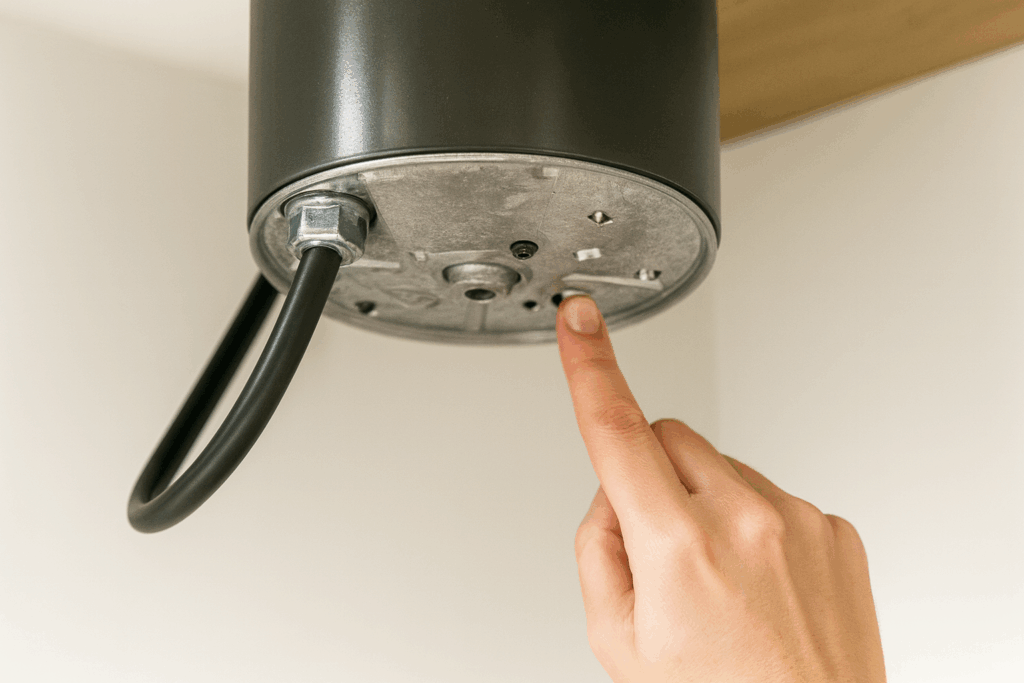
After removing visible objects, check for additional obstructions by manually turning the disposal’s grinding mechanism. Most disposals have a hex socket on the bottom that accepts a 1/4-inch Allen wrench. Turn this socket clockwise and counterclockwise several times to ensure free movement and dislodge any remaining debris.
If the disposal still won’t turn freely after removing visible objects, try the “wooden spoon method.” Insert a long wooden spoon handle into the disposal and carefully push against one of the grinding lugs to manually rotate the mechanism. This often frees stubborn jams that aren’t visible from above.
Solution 2: Eliminating Humming Without Grinding
Humming sounds without grinding action typically indicate electrical problems or severe jams preventing the motor from turning the grinding mechanism. This specific noise pattern shows the motor is receiving power but can’t complete its normal operation cycle.
The most common cause is a tripped reset button, which acts as a built-in circuit breaker protecting the motor from damage. Locate the red reset button on the bottom of the disposal unit and press it firmly. You should hear a distinct click when it resets properly. If the button won’t stay pressed, wait 15 minutes for the motor to cool before trying again.
If resetting doesn’t solve the humming issue, the disposal likely has a serious jam preventing motor rotation. Follow the manual turning procedure described above, using the Allen wrench or wooden spoon method to break the jam. Sometimes objects invisible from above create binding that requires mechanical force to clear.
Power supply problems also cause humming without operation. Check that the disposal is properly plugged in and that the circuit breaker for the disposal hasn’t tripped. Test the electrical outlet with another device to confirm power availability. Loose electrical connections can cause intermittent power delivery resulting in motor humming.
For persistent humming after attempting these solutions, the motor may be damaged or worn beyond repair. However, before calling for professional help, try running cold water and attempting to operate the disposal briefly. Sometimes additional water helps clear minor obstructions and restores normal operation.
Solution 3: Fixing Rattling and Vibrating Noises
Rattling and vibrating sounds usually indicate loose mounting hardware or objects bouncing around in the grinding chamber during operation. These noises often develop gradually as normal use loosens connections or small debris accumulates in the disposal.
Check the disposal’s mounting assembly first, as loose connections between the disposal and sink flange cause significant rattling during operation. The disposal typically attaches to the sink drain with a three-bolt mounting system that can loosen over time. Tighten these bolts carefully using appropriate tools, but don’t overtighten as this can crack the mounting components.
Small objects like fruit pits, bones, or hard seeds often create rattling sounds without jamming the disposal completely. Run the disposal with plenty of cold water to flush out these items. Ice cubes work exceptionally well for this purpose because they help clean the grinding chamber while providing material that breaks apart easily.
Internal component wear can also cause rattling as grinding elements become loose or damaged. If rattling persists after checking mounting hardware and flushing debris, the disposal may need internal repair or replacement. However, many disposals continue operating effectively for months or years with minor rattling, so immediate replacement isn’t always necessary.
Dishwasher connections sometimes contribute to rattling sounds when the connecting hose isn’t properly secured. Check that the dishwasher drain hose connection to the disposal is tight and properly supported to prevent vibration transmission during operation.

Implementation: Creating a Disposal Maintenance Routine
Preventing disposal noise problems is much easier than fixing them after they occur. Regular maintenance keeps your disposal operating quietly and extends its operational life significantly. Learning how to fix garbage disposal noises includes understanding prevention strategies that avoid problems entirely.
Weekly ice cube cleaning helps maintain grinding efficiency and removes accumulated debris. Run a handful of ice cubes through the disposal with cold water to clean grinding surfaces and sharpen cutting edges. This simple maintenance prevents many noise-causing buildups from developing.
Monthly deep cleaning with baking soda and vinegar removes grease buildup and neutralizes odors that can contribute to operational problems. Pour half a cup of baking soda into the disposal, followed by a cup of white vinegar. Let this mixture bubble for several minutes before flushing with cold water and running the disposal.
Keep a disposal maintenance log noting any unusual sounds, operational changes, or maintenance performed. This record helps identify patterns and provides valuable information if professional repair becomes necessary. Many disposal problems develop gradually, and tracking changes helps catch issues early.
Troubleshooting Persistent Noise Issues
Some disposal noise problems resist simple solutions and require more systematic troubleshooting approaches. If initial attempts to fix garbage disposal noises don’t succeed, methodical elimination of potential causes usually identifies the real problem.
Document the exact nature of the noise: when it occurs, what triggers it, how long it lasts, and any accompanying symptoms like vibration or electrical issues. This information helps distinguish between different problem types and guides appropriate solutions.
Test the disposal under different conditions: with and without water, with different amounts of load, and at different times of day. Some noise problems are intermittent or occur only under specific conditions, making systematic testing crucial for accurate diagnosis.
Consider age and usage patterns when evaluating noise problems. Disposals typically last 8-12 years with normal use, and older units may develop noise issues that indicate normal end-of-life wear rather than repairable problems.
If troubleshooting reveals serious internal damage, worn components, or electrical problems beyond simple resets, professional evaluation becomes necessary. However, attempting basic fixes first often resolves problems without professional costs and gives you valuable experience for future issues.
Daily Habits That Prevent Disposal Noise Problems
Simple daily habits prevent most disposal noise problems from developing and extend unit life significantly. How to fix garbage disposal noises often involves avoiding the behaviors that cause problems in the first place.
Run cold water before, during, and after disposal operation to help flush debris and prevent grinding chamber buildup. Cold water solidifies grease and oils, making them easier for the disposal to handle effectively. Hot water can melt grease, causing it to coat internal components and create operational problems.
Avoid putting inappropriate items into the disposal that commonly cause noise problems: bones, fibrous materials like celery or corn husks, grease, coffee grounds, and non-food items. These materials either jam the grinding mechanism or accumulate to cause operational issues.
Feed waste into the disposal gradually rather than dumping large amounts at once. Overloading causes strain on the motor and grinding mechanism, potentially leading to noise problems or premature wear. Small, steady amounts process more efficiently and quietly.
Regular use prevents disposal problems better than letting the unit sit idle for extended periods. Running the disposal weekly, even without waste, keeps moving parts lubricated and prevents seals from drying out or components from seizing.
Understanding how to fix garbage disposal noises empowers you to handle most disposal problems quickly and inexpensively while knowing when professional help is truly necessary. These three solutions address the most common disposal noise complaints and can save hundreds of dollars in unnecessary repair calls. Remember that most disposal problems are simpler than they sound, and a few minutes of systematic troubleshooting often restores quiet, normal operation to your kitchen cleanup routine.