

Table of Contents
Standing in the grocery store with $47.83 in my checking account and a family of four to feed for the entire week, I felt the familiar knot of anxiety form in my stomach. My husband had just been laid off, our emergency fund was depleted, and here I was staring at grocery prices that seemed to mock our desperate financial situation. A package of chicken breast cost $12, a gallon of milk was $4.50, and even basic bread was nearly $3.
I’ll never forget that moment when I realized I had no idea how to feed family on budget effectively. I’d always been a casual meal planner, buying whatever looked good and worrying about the cost later. But with literally $50 to feed four people for seven days, every dollar had to count. I stood there for twenty minutes, calculator in hand, putting items back and trying to figure out how to make the math work.
That humbling experience forced me to learn the real strategies behind budget meal planning. I discovered that feeding a family well on very little money isn’t about sacrifice and deprivation; it’s about understanding food costs, strategic shopping, and cooking techniques that maximize nutrition and satisfaction while minimizing expense. The system I developed not only saved our family during that crisis but continues to keep our grocery bills low even as our financial situation improved.
Why Learning How to Feed Family on Budget Matters
The average American family spends $7,700 annually on groceries, but families using strategic budget meal planning can cut those costs by 60% while actually improving nutrition and meal satisfaction. Learning how to feed family on budget isn’t just about saving money; it’s about developing skills that provide financial security and flexibility throughout life’s ups and downs.
Food costs continue rising faster than income for most families, making budget meal planning increasingly essential for household financial stability. Understanding how to maximize food value helps families allocate more money toward savings, debt reduction, or other important goals while maintaining healthy, satisfying meals.
The science behind successful budget feeding involves understanding cost per serving, nutrient density, and cooking methods that extend ingredients furthest. Families who master these principles often eat better than those spending twice as much money because they focus on nutrition and satisfaction rather than convenience and brand names.
Signs You Need Better Budget Meal Planning Skills
Many families overspend on groceries without realizing how much money they’re wasting through poor planning and shopping habits. If you frequently throw away expired food, shop without meal plans, or rely heavily on convenience foods, you’re probably spending far more than necessary to feed your family well.
Common signs of ineffective budget meal planning include running out of food before payday, making multiple grocery trips weekly, buying duplicate items because you forgot what you had, or feeling stressed about what to cook for dinner. These patterns indicate lack of systematic planning that costs money and creates unnecessary stress.
You also need better budget feeding skills if you can’t estimate actual serving costs, don’t know which foods provide the best nutrition per dollar, or haven’t learned cooking techniques that transform inexpensive ingredients into satisfying meals your family enjoys eating.
Root Causes of High Grocery Bills
Most families overspend on groceries because they shop reactively rather than strategically. Shopping without detailed meal plans leads to impulse purchases, overbuying, and food waste that can increase costs by 40-60% compared to planned shopping approaches.
Convenience food dependence dramatically increases grocery costs while often providing less nutrition than home-prepared alternatives. Pre-packaged meals, snack foods, and ready-to-eat items typically cost 3-5 times more per serving than ingredients for homemade versions.
Poor understanding of actual food costs prevents families from making smart purchasing decisions. Many people assume organic or name-brand items are always better values, or don’t know which proteins, grains, and vegetables provide the most nutrition and satisfaction per dollar spent.
Lack of cooking skills forces families toward expensive convenience options because they don’t know how to transform basic ingredients into appealing meals. Learning how to feed family on budget requires developing cooking techniques that make inexpensive ingredients taste delicious and satisfying.
How to Feed Family on Budget: 7 Essential Strategies

Strategy 1: Master Cost-Per-Serving Calculations
Understanding real food costs requires calculating price per serving rather than price per package, which reveals the most economical choices for feeding your family. Learning how to feed family on budget starts with accurate cost analysis that guides every purchasing decision.
Calculate protein costs by dividing package price by number of servings provided. Whole chickens typically cost $0.80-1.20 per serving, while chicken breasts cost $1.50-2.50 per serving. Ground turkey often provides protein for $0.90-1.30 per serving, making it more economical than ground beef at $1.50-2.20 per serving.
Compare grain and starch costs by calculating price per cup of prepared food. Rice provides about $0.15-0.25 per serving, pasta costs $0.20-0.35 per serving, and potatoes cost $0.30-0.50 per serving. Understanding these base costs helps you choose the most economical foundations for meals.
Evaluate produce by nutrition density and versatility rather than just price per pound. Carrots, onions, and cabbage provide excellent nutrition and cooking versatility for $0.10-0.30 per serving, while items like bell peppers might cost $0.60-1.00 per serving but provide less meal foundation value.
Track actual costs for your most-used recipes by calculating total ingredient costs and dividing by servings produced. This information helps you identify your most economical meals and guides menu planning toward options that fit your budget while satisfying your family.
Strategy 2: Strategic Bulk Cooking and Food Preparation
Bulk cooking transforms expensive ingredients into multiple meals while saving time and reducing cooking costs through efficient resource use. Understanding how to feed family on budget includes mastering preparation techniques that multiply your food investment.
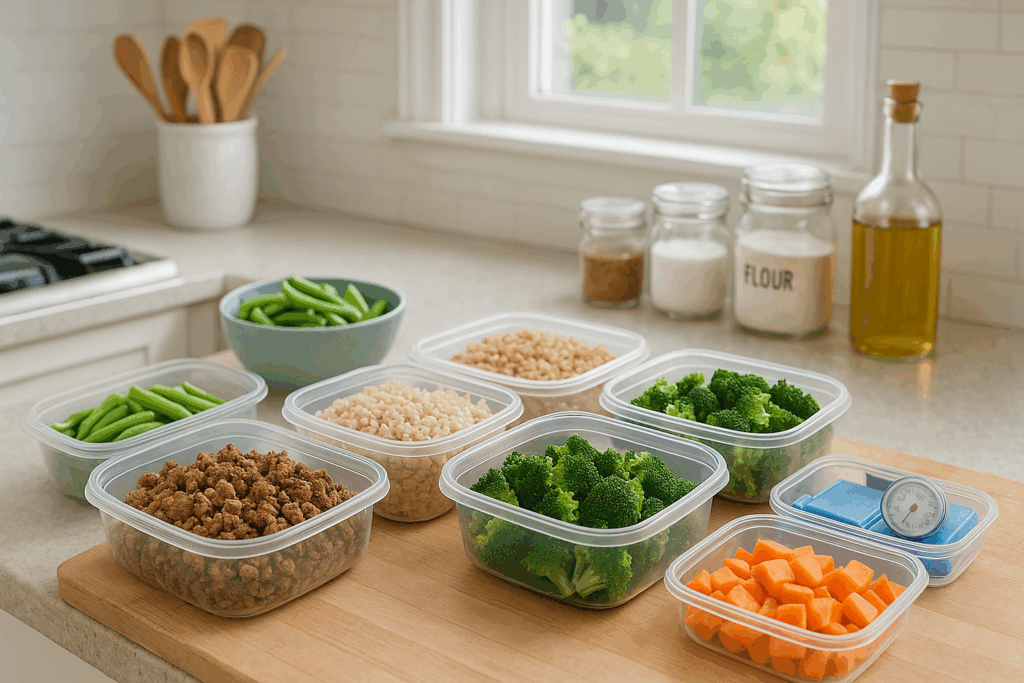
Prepare large batches of versatile base ingredients that work in multiple meals throughout the week. Cook 5-10 pounds of ground meat seasoned differently for tacos, pasta sauce, soup base, and casserole fillings. This approach saves cooking time while ensuring protein availability for quick meal assembly.
Utilize whole chickens by roasting them whole, then using meat for multiple meals and bones for stock. A $5-7 whole chicken provides meat for 2-3 meals plus several quarts of nutritious stock for soups and grain cooking, maximizing value from single purchases.
Batch-cook grains and legumes in large quantities for use throughout the week. Prepare 4-6 cups of rice, quinoa, or beans that serve as foundations for different meals. Pre-cooked grains and legumes reduce daily cooking time while ensuring filling, nutritious meal components are always available.
Transform vegetable scraps into valuable cooking ingredients by saving onion ends, carrot peels, and herb stems for homemade vegetable stock. This zero-waste approach adds flavor to future meals while extracting maximum value from every purchase.
Strategy 3: Seasonal Shopping and Preservation Strategies
Seasonal produce shopping can reduce costs by 50-70% compared to out-of-season purchases while providing peak nutrition and flavor for your family meals. Learning how to feed family on budget includes understanding seasonal cycles and preservation methods that extend savings year-round.
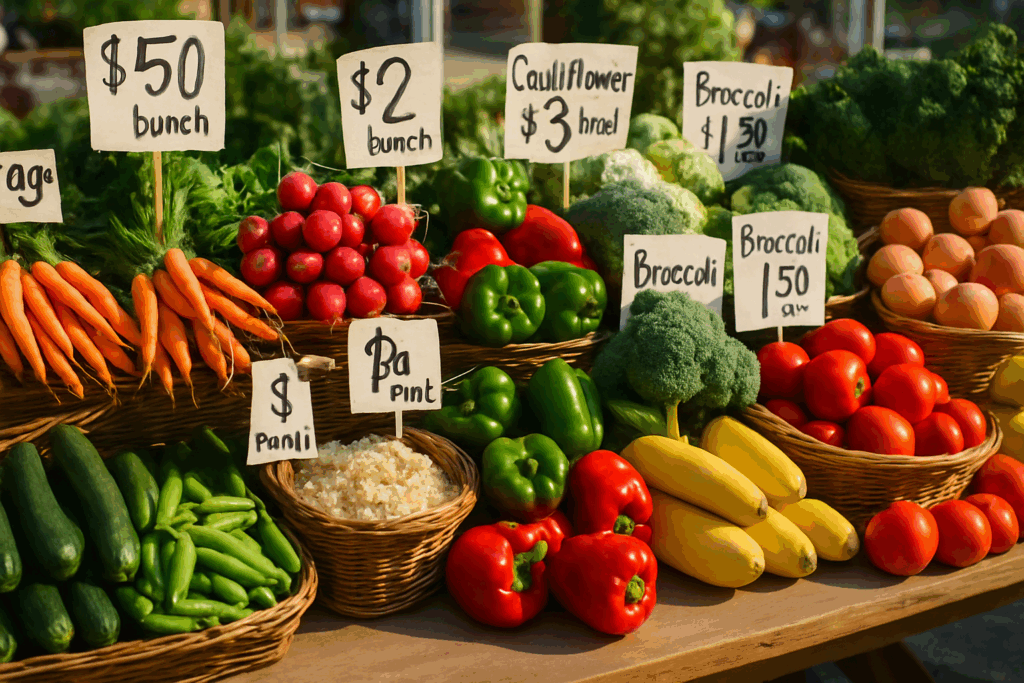
Plan menus around seasonal produce availability, focusing on items at peak harvest when prices are lowest and quality highest. Summer tomatoes, zucchini, and berries cost much less than winter purchases, while fall squash and root vegetables provide excellent value during their harvest seasons.
Preserve seasonal abundance through freezing, dehydrating, and canning techniques that capture peak-season prices for year-round use. Freeze berries when they’re $1-2 per pound instead of buying them for $4-6 per pound in winter. Dehydrate herbs and vegetables when abundant and inexpensive.
Build relationships with local farmers and markets for end-of-day discounts and bulk purchasing opportunities. Many vendors offer significant discounts on produce that won’t keep until the next market day, providing excellent deals for families willing to use items immediately or preserve them.
Understand storage techniques that extend produce life and prevent waste that undermines budget savings. Proper storage can keep produce fresh 2-3 times longer, reducing replacement purchases and maximizing value from seasonal buying strategies.
Strategy 4: Protein Maximization Techniques
Protein typically represents the largest portion of grocery budgets, making protein optimization crucial for families learning how to feed family on budget without sacrificing nutrition or satisfaction.
Extend expensive proteins with complementary ingredients that add bulk and nutrition while maintaining meal satisfaction. Add lentils or beans to ground meat dishes, use vegetables to extend meat in stir-fries and casseroles, and incorporate eggs into meals for additional protein at lower costs.
Master cooking techniques that tenderize inexpensive cuts of meat, making them as satisfying as expensive cuts. Slow cooking, braising, and marinating transform tough cuts like chuck roast, pork shoulder, and chicken thighs into tender, flavorful meals that cost much less than premium cuts.
Utilize alternative protein sources that provide complete nutrition at lower costs than traditional meat options. Combinations of beans and rice, lentils and grains, or eggs and dairy provide all essential amino acids while costing significantly less than meat-based proteins.
Learn portion control strategies that maintain satisfaction while using appropriate protein amounts. Most Americans consume 2-3 times the necessary protein, and reducing portions to nutritionally appropriate levels can cut protein costs dramatically without affecting meal satisfaction or nutrition.
Strategy 5: Smart Shopping and Store Navigation
Strategic shopping techniques can reduce grocery costs by 30-40% compared to casual shopping approaches, making store navigation skills essential for families learning how to feed family on budget effectively.
Shop with detailed lists organized by store layout to prevent impulse purchases and ensure you buy only planned items. Organized shopping reduces time spent in stores, decreases temptation purchasing, and ensures you don’t forget ingredients needed for planned meals.
Understand store pricing patterns and sales cycles to time purchases for maximum savings. Most stores rotate sales every 6-8 weeks, so tracking patterns helps you stock up when items reach lowest prices rather than paying premium prices when you run out.
Compare unit prices rather than package prices to identify true bargains among different sizes and brands. Larger packages aren’t always better values, and store brands often provide identical quality at significantly lower costs than name brands.
Utilize store loyalty programs and digital coupons strategically, focusing on items you actually use rather than buying unnecessary items just because they’re discounted. Smart coupon use can reduce costs, but poor coupon strategies often increase spending on unneeded items.
Strategy 6: Recipe Development and Menu Planning
Developing a repertoire of reliable, economical recipes eliminates meal planning stress while ensuring consistent food costs and family satisfaction. Learning how to feed family on budget requires mastering meals that work within your constraints.
Create core recipes that use similar base ingredients but provide variety through different seasonings and preparations. Ground meat, onions, and basic vegetables can become tacos, pasta sauce, soup, or casserole using different spices and cooking methods.
Develop one-pot and sheet-pan meals that minimize cooking time, cleanup, and ingredient requirements while maximizing nutrition and satisfaction. These cooking methods reduce utility costs while creating satisfying meals from simple ingredient combinations.
Master bread and baked goods preparation to replace expensive store-bought items with homemade alternatives that cost 60-80% less while providing better nutrition and no preservatives. Basic bread, muffins, and simple desserts require minimal ingredients and equipment.
Plan weekly menus that use ingredients efficiently across multiple meals, preventing waste and ensuring every purchase serves multiple purposes. Strategic menu planning eliminates duplicate ingredients while creating varied, satisfying meal experiences.
Strategy 7: Food Storage and Waste Prevention
Food waste can increase actual meal costs by 25-40%, making effective storage and waste prevention crucial for families learning how to feed family on budget successfully.
Implement first-in-first-out storage systems that ensure older items get used before they spoil. Organize pantries and refrigerators so older items are visible and accessible, preventing forgotten foods from expiring unused.
Learn proper storage techniques for different food types to maximize freshness and prevent premature spoilage. Herbs stored in water last weeks longer than those left in plastic bags, while proper potato storage prevents sprouting and extends usability.
Develop strategies for using leftovers creatively rather than letting them spoil or feeding them to family members who resist eating the same meal repeatedly. Transform leftover proteins into salads, soups, or sandwich fillings that feel like completely different meals.
Monitor expiration dates and plan meals to use items approaching their limits before they become unusable. Strategic meal planning around expiration dates prevents waste while ensuring nothing gets thrown away unnecessarily.
Implementation: Building Your $50 Weekly System
Creating a systematic approach to feeding four people on $50 weekly requires careful planning, strategic shopping, and efficient cooking techniques that maximize every dollar spent. Learning how to feed family on budget successfully involves developing routines that become automatic over time.
Develop standard grocery lists organized by cost per serving that guide purchasing decisions toward most economical choices. Having predetermined options eliminates decision fatigue while shopping and ensures you choose ingredients that fit your budget constraints.
Create meal prep routines that maximize cooking efficiency while providing varied meals throughout the week. Spending 2-3 hours on weekend meal preparation can provide most of the week’s meals while reducing daily cooking time and stress.
Establish inventory management systems that track what you have, what you need, and what’s approaching expiration dates. Good inventory management prevents overbuying while ensuring you don’t run out of essential ingredients.
Troubleshooting Common Budget Meal Planning Challenges
Many families struggle with budget meal planning because they try to replicate expensive eating patterns with cheaper ingredients rather than developing new approaches optimized for budget constraints. Successful budget feeding requires adjusting expectations and discovering new preferences.
Picky eating can undermine budget meal planning if family members refuse economical options in favor of expensive preferences. Address pickiness gradually by incorporating preferred flavors into budget-friendly base ingredients rather than completely changing family food preferences immediately.
Time constraints often drive families toward expensive convenience options even when budget meal planning is the goal. Develop quick meal options using pre-prepared ingredients and simple cooking techniques that provide homemade nutrition without extensive daily cooking time.
Social pressures and food expectations can make budget meal planning feel like deprivation rather than smart resource management. Focus on nutrition, satisfaction, and family enjoyment rather than comparing your meals to restaurant experiences or expensive convenience foods.
Daily Integration: Making Budget Feeding Sustainable
Sustainable budget meal planning requires developing habits and routines that make economical feeding feel natural rather than restrictive. Learning how to feed family on budget long-term involves creating systems that support your goals without creating stress.
Involve family members in meal planning and preparation to build buy-in and reduce resistance to budget-friendly meals. When family members understand constraints and participate in solutions, they’re more likely to appreciate efforts and suggest helpful ideas.
Develop cooking skills gradually through practice with economical ingredients rather than trying to master complex techniques immediately. Building confidence with simple, budget-friendly cooking encourages continued skill development and meal planning success.
Celebrate successes and improvements rather than focusing on limitations or comparing your situation to others with different circumstances. Successful budget meal planning is an achievement worth recognizing and can provide satisfaction beyond just financial savings.
Track spending and meal satisfaction to identify patterns and continuously improve your approach. Understanding which strategies work best for your family helps refine techniques while building confidence in your budget meal planning abilities.
Mastering how to feed family on budget transforms financial constraint into opportunity for developing valuable life skills while providing nutritious, satisfying meals your family enjoys. These seven strategies address every aspect of budget meal planning from shopping and cooking to storage and waste prevention, proving that excellent family nutrition is achievable regardless of budget limitations. Remember that successful budget feeding combines planning, skills, and patience, but the financial and personal rewards make the effort worthwhile for families committed to smart resource management.