

Table of Contents
I’ll never forget the moment I walked into my kitchen at 6:30 AM and heard the sound of rushing water coming from somewhere it definitely shouldn’t be. My heart sank as I followed the noise to the basement stairs, only to find three inches of murky water covering everything we’d stored down there. The water heater had given up during the night, and our finished basement was quickly becoming an expensive disaster.
Standing there in my pajamas with water seeping into my slippers, I had two choices: panic and wait for expensive emergency services, or figure out how to fix home disasters myself. That morning taught me that knowing how to handle home emergencies can save you thousands of dollars and hours of stress.
Home disasters never announce themselves politely. They strike at the worst possible moments, usually when you’re least prepared financially or emotionally to handle them. But here’s what I’ve learned through multiple home crises: most disasters can be contained, minimized, or even completely resolved if you know the right steps to take immediately.
Why Learning How to Fix Home Disasters Matters
Every homeowner will face at least three major home disasters during their lifetime. Whether it’s flooding, electrical problems, plumbing failures, or structural issues, these emergencies can cost anywhere from $1,000 to $15,000 if handled improperly. However, knowing how to fix home disasters in those crucial first hours can often reduce damage by 80% or more.
The science behind emergency response is clear: the faster you act, the less damage occurs. Water damage doubles every hour it’s left unaddressed. Electrical issues can escalate from minor problems to house fires. Gas leaks become exponentially more dangerous with time. Learning how to fix home disasters isn’t just about saving money; it’s about protecting your family’s safety and your biggest investment.
Signs You Need These Home Disaster Skills
You might think disasters only happen to other people, but certain warning signs indicate you’re more at risk than you realize. If your home is more than 10 years old, has original plumbing or electrical systems, or sits in an area prone to weather extremes, you’re already in the high-risk category.
Watch for these red flags: water stains on ceilings or walls, flickering lights, unusual smells, changes in water pressure, or strange sounds from appliances. These seemingly minor issues often precede major disasters. Knowing how to fix home disasters starts with recognizing these early warning signs before they become full-blown emergencies.
Root Causes of Home Disasters
Most home disasters stem from three primary causes: deferred maintenance, age-related system failures, and extreme weather events. The truth is, many disasters are preventable with proper attention, but once they occur, quick action determines the outcome.
Understanding why disasters happen helps you respond more effectively. Pipes burst because of pressure changes, not just cold weather. Electrical fires start from overloaded circuits, not just faulty wiring. Flooding occurs when multiple drainage systems fail simultaneously. When you understand the root causes, you can address the actual problem rather than just the symptoms.
How to Fix Home Disasters: 5 Essential Methods
Method 1: Emergency Water Damage Control
Water damage is the most common and potentially destructive home disaster. Whether from burst pipes, flooding, or appliance failures, water can destroy flooring, walls, furniture, and create dangerous mold conditions within 24-48 hours.
Your first step is always to stop the water source if possible. Locate your main water shutoff valve before you ever need it; it’s typically near where the main water line enters your house. Turn off electricity to affected areas at the circuit breaker to prevent electrocution. Never step into standing water if electrical outlets or appliances might be submerged.
Remove standing water immediately using a wet/dry vacuum, mops, or buckets. The faster you extract water, the less damage occurs. Open windows and doors for ventilation, and use fans to circulate air. Remove wet materials like carpets, rugs, and damaged drywall within 24 hours to prevent mold growth.
Document everything with photos for insurance purposes before you start cleanup. Move furniture to dry areas and place aluminum foil or wood blocks under furniture legs to prevent staining. This systematic approach to how to fix home disasters related to water can save thousands in professional restoration costs.
Method 2: Electrical Emergency Response
Electrical disasters are among the most dangerous home emergencies because they can quickly escalate to fires or electrocution. The key to electrical emergency response is knowing when you can safely address the issue yourself and when to immediately call professionals.
If you smell burning, see sparks, or notice scorch marks around outlets or electrical panels, turn off power to that area immediately at the circuit breaker. Never use water on electrical fires; use a Class C fire extinguisher designed for electrical fires. If you don’t have one, baking soda can help smother small electrical fires.
For power outages affecting only part of your home, check your circuit breaker panel first. Tripped breakers will be in the middle position between “on” and “off.” Turn the breaker fully off, then back on. If it trips again immediately, you have a serious problem that requires professional help.
Replace blown fuses only with the exact same amperage rating; never use a higher amperage fuse as this creates fire hazards. Learning how to fix home disasters involving electrical issues safely can prevent small problems from becoming catastrophic fires.
Method 3: Plumbing Crisis Management
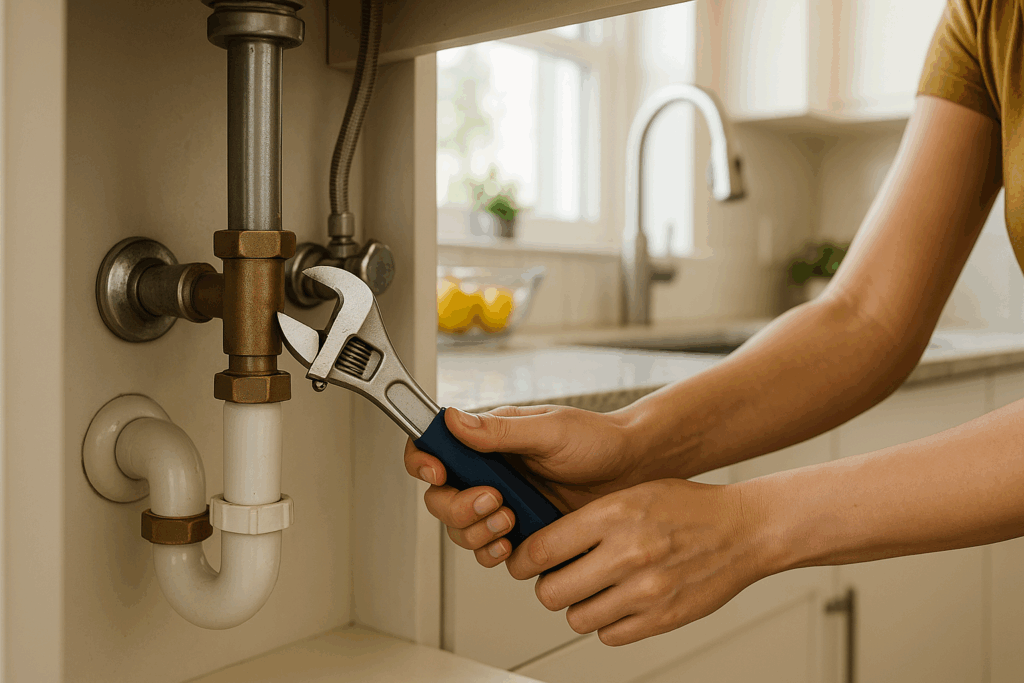
Plumbing disasters range from annoying leaks to devastating pipe bursts that can flood entire floors. The key is rapid response and knowing which problems you can handle yourself versus those requiring immediate professional intervention.
For burst pipes, immediately shut off the main water supply and drain the system by opening all faucets, starting with the highest floor and working down. Locate the break and temporarily patch it with pipe repair clamps, rubber patches, or even duct tape as an emergency measure while you arrange permanent repairs.
Severe clogs that cause backups can often be resolved with a plunger designed for the specific fixture, but never use chemical drain cleaners on completely blocked drains as they can cause dangerous reactions. A drain snake or auger is more effective and safer for serious blockages.
Gas line issues require immediate evacuation and professional help; never attempt DIY repairs on gas lines. However, knowing how to shut off your main gas valve in an emergency is crucial. The valve is typically located near your gas meter and turns perpendicular to the pipe to shut off gas flow.
Method 4: Structural Damage Assessment and Temporary Fixes
Structural damage from storms, settling, or impacts can compromise your home’s safety. While major structural repairs require professionals, knowing how to assess damage and make temporary fixes can prevent further deterioration and maintain safety until permanent repairs are possible.
Look for obvious signs of structural compromise: sagging floors, doors or windows that won’t close properly, new cracks in walls or foundations, or visible gaps where materials should meet. These indicate potential structural movement that needs immediate attention.
For roof damage, temporary tarping can prevent water intrusion. Use heavy-duty tarps secured with sandbags or lumber; never go on a damaged roof yourself. Board up broken windows with plywood to prevent further damage from weather or security issues.
Foundation cracks smaller than 1/4 inch can often be temporarily sealed with hydraulic cement or foundation crack injection kits to prevent water intrusion. However, larger cracks or those that are actively growing indicate serious structural issues requiring immediate professional assessment.
Method 5: Gas Leak and Carbon Monoxide Response
Gas leaks and carbon monoxide situations are life-threatening emergencies requiring immediate action. Natural gas leaks smell like rotten eggs, while carbon monoxide is odorless, making CO detectors essential safety equipment.
If you smell gas, never turn electrical switches on or off, don’t use phones inside the house, and don’t create any sparks or flames. Evacuate immediately, leaving doors and windows open as you leave to help ventilate the area. Once safely outside and away from the house, call your gas company and fire department.
For carbon monoxide emergencies, evacuate immediately and get fresh air. Symptoms include headache, dizziness, nausea, confusion, and fatigue. Never ignore CO detector alarms, even if you feel fine; CO poisoning symptoms often don’t appear until dangerous levels are reached.
Turn off gas appliances at their individual shutoff valves if you can do so safely before evacuating. The main gas shutoff valve should only be turned off by gas company professionals unless you’re specifically trained, as turning it back on requires special procedures.
Implementation: Creating Your Home Disaster Response Plan
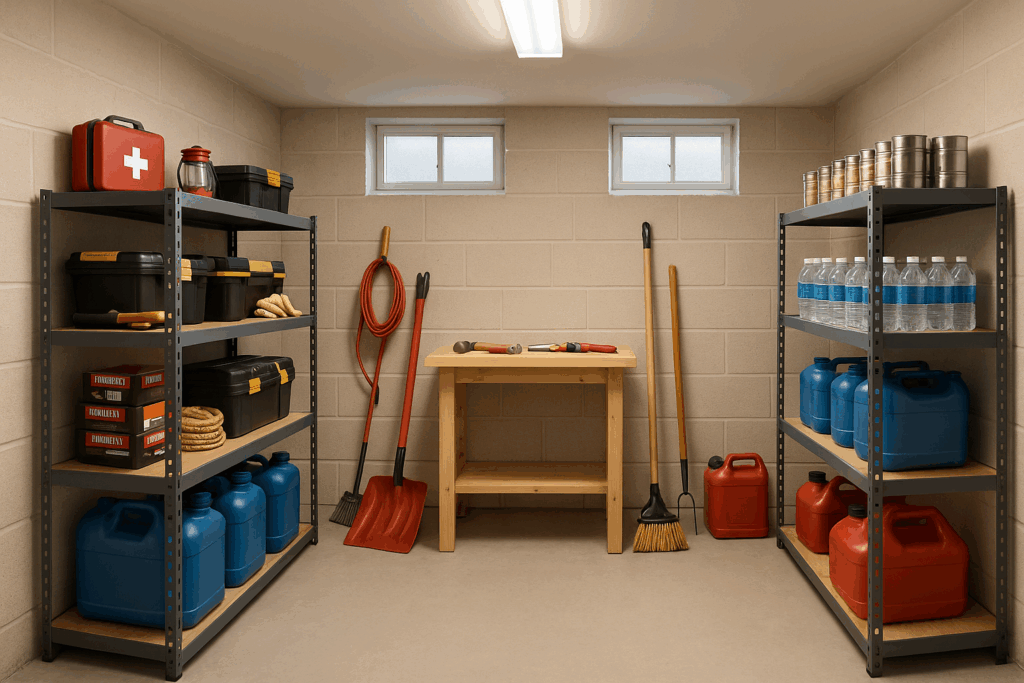
Knowing how to fix home disasters isn’t just about individual techniques; it’s about having a comprehensive response plan that your entire family understands. Create an emergency kit with basic tools: adjustable wrenches, flashlights, battery-powered radio, first aid supplies, emergency water, and contact information for utilities and emergency services.
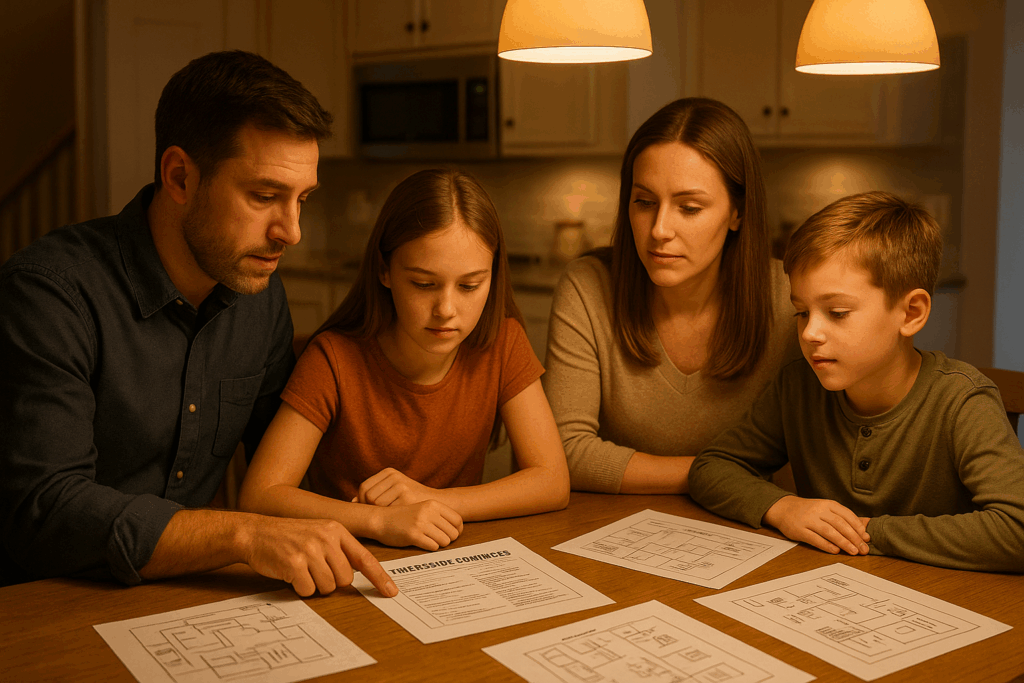
Practice your response plans regularly. Everyone in your household should know where the main shutoffs are located for water, gas, and electricity. Post emergency contact numbers in visible locations and keep copies in your emergency kit.
Document your home’s systems with photos and notes about shutoff valve locations, circuit breaker layouts, and any unique features professionals should know about. This documentation speeds up emergency response and repairs while ensuring nothing is overlooked during stressful situations.
Troubleshooting Common Obstacles
The biggest obstacle to effective disaster response is panic and indecision. When disasters strike, people often freeze or make poor decisions because they haven’t mentally prepared for the situation. Regular mental rehearsal of your response plans helps overcome this natural reaction.
Another common problem is not having the right tools accessible when emergencies occur. Keep basic emergency tools in a known location that’s easily accessible even in dark or stressful conditions. Don’t store emergency supplies in areas that might be affected by the very disasters you’re preparing for.
Many people also underestimate the importance of safety during disaster response. Never put yourself at risk to save property; injuries compound disasters and create additional emergencies. If you’re not confident about safely addressing any aspect of a disaster, evacuate and call professionals.
Finally, many homeowners don’t maintain relationships with reliable contractors before emergencies occur. Research and establish connections with plumbers, electricians, and general contractors during non-emergency times so you have trusted professionals to call when disasters strike.
Daily Integration: Making Disaster Preparedness a Habit
Integrate disaster preparedness into your regular home maintenance routine. Monthly system checks take only a few minutes but can prevent many disasters: test smoke and CO detectors, inspect visible plumbing for leaks, check electrical outlets for warmth or unusual appearance, and ensure emergency supplies remain functional.
Seasonal maintenance prevents many disasters: clean gutters and downspouts, inspect and seal foundation cracks, service HVAC systems, and check weather stripping around doors and windows. These simple tasks often prevent the conditions that lead to major disasters.
Teaching family members how to fix home disasters isn’t just about emergency response; it builds confidence and practical life skills. Even children can learn basic safety procedures like how to turn off main water valves or where to meet during evacuations.
Make disaster preparedness a family conversation rather than just a homeowner responsibility. When everyone understands basic emergency procedures and the reasoning behind them, your entire household becomes more resilient and better prepared for whatever challenges arise.
Learning how to fix home disasters transforms you from a victim of circumstances into someone who can protect their family and property when it matters most. While you can’t prevent every disaster, you can definitely control your response to them. These five methods give you the foundation to handle the most common home emergencies confidently and effectively, potentially saving thousands of dollars and reducing stress when disasters inevitably occur.